Biometric Systems in Airports
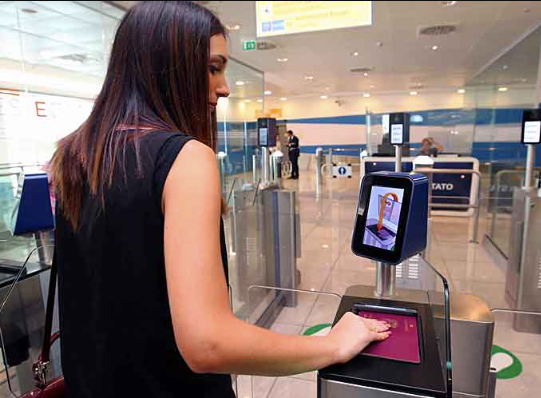
Biometric systems in airports integrate fingerprint, facial recognition, iris scans, and voice authentication to verify travelers at multiple checkpoints. Data flows from enrollment to boarding, enabling rapid matching for identity checks, gate access, and security screening. Privacy-by-design and data governance shape consent, purpose limitation, and auditable decisions. Interoperability and equity must coexist with risk management and transparent governance, guiding standardized deployment and user-centric experiences. The evolving framework invites ongoing assessment as adoption scales and expectations shift.
What Biometric Tech Is Being Used in Airports
Biometric technology currently deployed in airports encompasses several core modalities designed to verify identity and streamline movement through security and border control.
The suite includes biometric enrollment processes, fingerprint and facial recognition evolution, iris scans in select programs, and voice authentication in limited scenarios.
Data pipelines emphasize privacy by design, interoperability, and auditable matching decisions for traveler throughput and regulatory compliance.
How Biometrics Streamline Traveler Journeys
Smart traveler journeys through airport processes are increasingly defined by biometrics that expedite verification steps while maintaining security standards. Biometric systems reduce redundant checks by aligning identity confirmation with gate, security, and boarding workflows. Adoption depends on biometric ethics and traveler consent, ensuring clear purpose and opt-in options. Data handling, retention limits, and auditability underpin user trust and operational efficiency.
See also: Biometric Security Risks
Privacy, Security, and Equity in Airport Biometrics
Privacy, security, and equity considerations shape the design and implementation of airport biometrics by defining how data are collected, stored, and used, and by identifying who benefits and who bears risk.
The analysis emphasizes privacy concerns, data governance, and security ethics, while addressing accessibility considerations to ensure equitable access, transparent governance, and measurable risk mitigation across traveler populations.
What’s Next: Standards, Adoption, and Traveler Expectations
What are the practical steps and expectations driving the next phase of airport biometrics implementation, including standards alignment, adoption pathways, and traveler experience considerations? The analysis outlines governance frameworks, interoperability benchmarks, and timeline milestones. Privacy governance and user consent structures will guide policy, data handling, and consent workflows, ensuring transparent usage. Adoption pathways emphasize pilot programs, stakeholder alignment, and measurable impact on throughput and security.
Frequently Asked Questions
How Do Airports Handle Biometric Data Ownership and Control?
Airports establish ownership and control through privacy governance frameworks and explicit consent mechanisms; data lifecycle management governs collection, storage, usage, retention, and deletion, ensuring accountability, auditability, and user rights while maintaining operational efficiency and security.
What Are the Error Rates and Incident Handling Procedures?
Citing a 19th-century telegraph as an anachronism, error rates vary by modality and threshold, with incident handling governed by defined security governance; data anonymization mitigates risk, but audits, logging, and swift containment remain essential.
How Do Travelers Opt Out or Modify Their Biometric Data?
Travelers may opt out by following official privacy notices; biometric data consent is revocable and processed under defined timelines. Opt out options vary by jurisdiction, with alternatives offered for identification, and data deletion or temporary suspension procedures documented and accessible.
What Accessibility Considerations Exist for Disabled Travelers?
Accessibility considerations for disabled travelers include accessible design of interfaces, tactile and audio cues, alternative verification methods, and consistent signage; inclusive communication emphasizes clear, multilingual instructions and staff training to support independent travel.
How Are Cross-Border Data Transfers Regulated and Audited?
Cross border data transfers are regulated through layered frameworks and regular, independent checks; coincidence underscores compliance. Regulatory audits verify flow controls, consent, and retention, documenting risk mitigation and accountability for cross border data handling across biometric systems in airports.
Conclusion
In the airport, biometric systems stand as a patient conductor guiding travelers through a symphony of gates and checks. Each note—fingerprint, face, iris, voice—aligns with purpose, consent, and privacy by design, like beams in a scaffold keeping a bridge intact. As data flows become auditable and interoperable, trust grows, risks shrink, and journeys shorten. The allegory ends with a measured cadence: technology serves people, governance keeps tempo, and equitable access sustains the rhythm of modern travel.