Biometric Authentication Trends

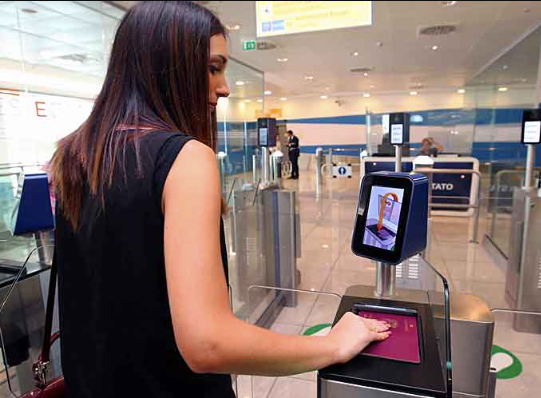
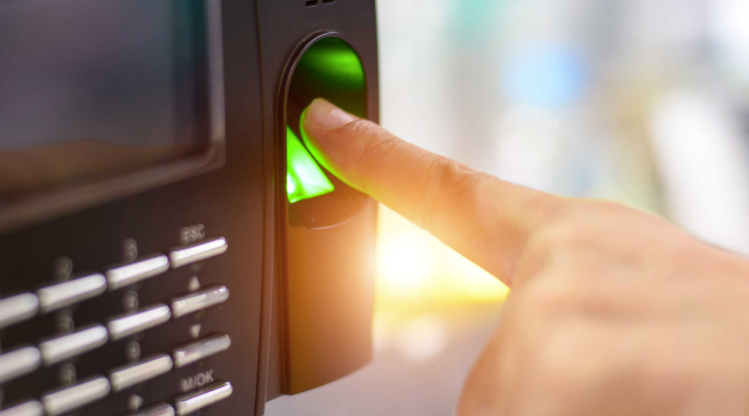
Biometric authentication trends shape risk assessment, enforcement, and user experience across digital ecosystems. Rapid adoption heightens privacy leakage concerns and regulatory scrutiny, demanding robust data-handling safeguards and transparent consent. On-device processing and edge computing offer privacy-preserving, low-latency options, but hardware constraints and spoofing risks persist. Enterprises must implement governance, modular architectures, and threat-driven assessments to balance friction, autonomy, and interoperability. The implications for governance and trust warrant close attention as standards evolve.
Why Biometric Trends Matter Right Now
Biometric trends matter now because they shape authentication risk, enforcement, and user experience across increasingly digital ecosystems.
The analysis highlights how rapid adoption intersects with privacy leakage and regulatory pressure, intensifying scrutiny over data handling and consent.
Hardware constraints influence sensor quality and reliability, potentially elevating false positives or friction, thus demanding careful risk prioritization and transparent user safeguards.
On-Device Processing and Privacy-Preserving Tactics
On-device processing has emerged as a central strategy for balancing performance, privacy, and regulatory compliance in biometric systems.
This approach emphasizes edge compute capabilities, enabling localized analysis and rapid responses while reducing exposure to cloud-related threats.
Privacy preserving techniques and data minimization protocols mitigate risk, but implementation requires rigorous threat modeling, tamper resistance, and transparent governance to sustain user trust.
Real-World Deployments: Enterprise Best Practices
Real-world deployments of biometric systems in enterprises demand disciplined implementation of governance, risk management, and operational controls that extend beyond theoretical benefits. Organizations must quantify privacy risk and enforce accountability across vendor selection, data handling, and incident response.
Interoperability standards enable cross-platform integration, reduce lock-in, and support scalable authentication. Misalignment elevates risk, costs, and compliance exposure, undermining strategic, freedom-focused innovation.
Improving UX and Combating Spoofing in 2024 and Beyond
Achieving seamless user experiences while mitigating spoofing poses a central challenge for biometric authentication in 2024 and beyond. Organizations pursue privacy by design and robust liveness detection to balance access control with user autonomy. Risks include spoofing advances and false negatives; responses emphasize modular architectures, transparent UX cues, and continuous assessment of threat models to sustain trust without compromising freedom.
Frequently Asked Questions
How Do Biometric Trends Affect Small Businesses Differently?
Biometric trends influence small businesses by prioritizing cost-benefit analyses and layered security. Biometric adoption enhances protection while reducing legacy credentials, though implementation costs and vendor reliance introduce risk. Small business security improves when governance aligns with scalable, privacy-conscious practices.
What Are the Top Cost Drivers for Biometric Deployments?
Top cost drivers include hardware and deployment challenges, where pricing pressure and integration complexity shape budgets. The analysis notes ongoing maintenance, credentialing, and security testing as critical factors, guiding risk-aware decisions for organizations seeking freedom in scalable biometric deployments.
Which Regions Lead in Biometric Standards Adoption?
Regional adoption leads in biometric standards convergence, with Europe and North America displaying the strongest alignment across vendors and regulators. The analysis emphasizes risk management, interoperability, and forward-looking governance to sustain freedom while accelerating prudent, cross-border adoption.
How Do Non-Biometric Factors Influence Authentication Outcomes?
Non-biometric factors, such as device security, network conditions, and user behavior, significantly affect authentication outcomes, balancing privacy concerns with user experience while mitigating risk and preserving user autonomy in decision-making.
See also: newsmagazineweekly
What Regulatory Changes Are Expected in Biometric Data Handling?
Regulatory changes are anticipated to tighten biometric data handling, emphasizing consent, minimization, and access controls; organizations face heightened risk of penalties for unauthorized use, with standardization pressures and cross-border data transfer rules shaping governance and risk posture.
Conclusion
Biometric trends indicate escalation in protection, privacy, and performance. Governance, modular architectures, and threat-model–driven assessments form the backbone, balancing risk, friction, and user autonomy. On-device processing and edge computing offer privacy-preserving, low-latency paths, while spoofing resistance remains a persistent threat. Enterprises must harmonize interoperability with transparent consent, enforcing robust data-handling practices and trusted ecosystems. Compliance, risk assessment, and continuous monitoring drive resilience, resilience, resilience. User experience, security, and governance converge, converge, converge.