Biometric Security Risks
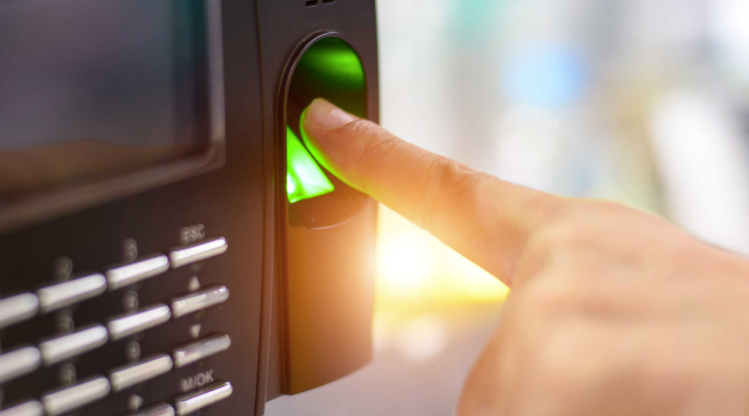
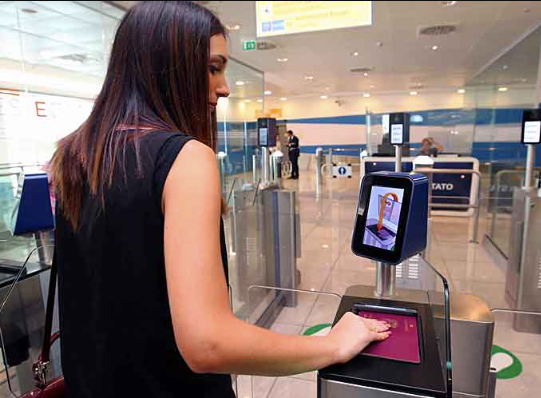
Biometric security presents a persistent privacy drag rather than a simple lock. Systems rely on layered storage—local, cloud, and intermediaries—where controls lag behind architecture. Encryption varies, revocation trails, and auditing remains uneven. Attack vectors like spoofing, replay, and template theft expose cascading risks unless anomaly detection is robust. The tension between convenience and consent is not easily resolved, demanding rigorous governance and transparent controls that may redefine what users can expect to protect.
What Biometric Security Really Risking Our Privacy
Biometric security promises convenience, yet its claims warrant rigorous scrutiny rather than acceptance at face value.
The analysis concentrates on systemic risks to autonomy, not mere malfunctions.
Privacy erosion appears as a structural consequence: persistent identifiers, cross-platform reuse, and potential state access.
Consent gaps persist, leaving individuals ill-equipped to negotiate data rights, trace usage, or revoke embedded biometric traces once platforms converge.
How Data Is Stored and Transmitted in Biometric Systems
Data relevant to biometric systems is stored and transmitted through a layered architecture that blends local device storage, cloud repositories, and intermediary services. This arrangement prompts skepticism about access controls and transparency.
Data encryption is essential, yet implementations vary. Secure transmission remains critical, though protocols may lag in responsive revocation and auditing, challenging users seeking freedom from opaque, centralized dependencies.
Common Attack Vectors and Real-World Breaches to Watch For
Despite substantial protections, common attack vectors and notable breaches illuminate persistent weaknesses in biometric ecosystems. Analysts catalog vectors such as spoofing attacks, replay sequences, and template theft, revealing a pattern of underappreciated risk. Real-world breaches often stem from inadequate multifactor controls or insufficient anomaly detection, with data breach implications cascading across devices and networks, challenging assumed uniqueness and trust.
Balancing Convenience With Consent, Ethics, and Governance
As biometric safeguards confront persistent attack vectors and notable breaches, there is a growing need to examine how convenience, consent, ethics, and governance intersect in practical deployments.
The analysis reveals consent norms shaping user agency while governance gaps permit ambiguous accountability; privacy tradeoffs materialize in data reuse and scope creep, demanding rigorous ethical considerations to prevent instrumentalization and preserve individual autonomy.
Frequently Asked Questions
How Do Biometric Systems Learn and Adapt Over Time Without Consent?
Answer: Biometric systems learn and adapt through continuous data accrual, often without explicit consent, enabling consentless adaptation. This analytical critique emphasizes biometric learning dynamics, data provenance, and safeguards, skeptical of autonomy claims while advocating thoughtful, freedom-oriented oversight.
Can Biometric Data Be Anonymized Effectively for Long-Term Use?
Surely, biometrics cannot be fully anonymized for long term viability. The analysis highlights anonymization challenges, persists skepticism, and notes data utility versus privacy trade-offs; freedom-minded readers should question durability, governance, and ongoing consent in evolving systems.
See also: Biometric Authentication Trends
What Are Rights and Remedies if Biometric Data Is Misused?
The author observes that individuals retain Right to redress and remedies scope when biometric data is misused, yet remedies are uneven; safeguards exist but their effectiveness depends on robust enforcement, accountability, and transparent redress processes favoring precautionary liberty.
Do Biometric Traits Differ in Vulnerability Across Age Groups?
Recent data show 8% of adults aged 65+ exhibit elevated age related vulnerability in biometric systems. The question remains: do biometric traits differ in vulnerability across age groups? The analysis notes trait stability challenges, skepticism, and measured, freedom-focused scrutiny.
How Do Cultural Norms Shape Biometric Deployment Decisions?
Cultural norms shape biometric deployment decisions through cultural expectations, consent norms, and privacy expectations, influencing trust and adoption; analysts remain skeptical, noting societal trust and consent processes as pivotal, requiring transparent governance to align technology with freedom-seeking values.
Conclusion
Biometric security, like a locked door with a key never returned, reveals a paradox: convenience stored in the same vault that guards autonomy. The symbols stay constant—fingerprint, iris, template—yet the context shifts beneath them, revealing governance gaps, lagging revocation, and opaque auditing. In this landscape, trust is a fragile hinge. The system’s strength rests not in a single lock but in layered, transparent controls that can be audited, recalled, and reclaimed by those it surveils.