How Do You Choose the Right Air Dehumidifier for Industrial and Commercial Applications?
Maintaining the correct humidity level is essential in many industrial and commercial environments where excess moisture can affect product quality, equipment performance, manufacturing efficiency, and workplace conditions. Industries such as pharmaceuticals, food processing, electronics, warehousing, lithium battery manufacturing, and chemical production often require precise humidity control to protect materials and maintain consistent operations. Selecting the right Air Dehumidifier is not simply about reducing moisture in the air. It involves understanding environmental requirements, production processes, airflow capacity, energy efficiency, and long term operational reliability. Bry Air has established itself as a global leader in industrial dehumidification technology by offering engineered moisture control solutions designed for demanding industrial applications. Choosing an appropriate dehumidification system helps organizations improve productivity, maintain product integrity, reduce operational risks, and support regulatory compliance across a wide range of industries.
Why Is Humidity Control Important in Industrial Facilities?
Humidity directly influences manufacturing quality, storage conditions, equipment performance, and employee comfort. Excess moisture can cause corrosion, condensation, mold growth, microbial contamination, product deterioration, and equipment malfunction. In industries where environmental conditions affect production accuracy, maintaining controlled humidity becomes an essential part of quality assurance.
Manufacturers working with moisture sensitive materials often require stable environmental conditions throughout production, packaging, and storage. Variations in humidity can alter raw material properties, reduce product shelf life, and increase waste. Maintaining proper humidity levels helps protect valuable inventory while improving process consistency and operational efficiency.
Humidity control is also important for protecting industrial equipment. Condensation inside electrical systems, control panels, production machinery, and storage facilities may contribute to corrosion or reduced equipment lifespan. Proper dehumidification minimizes these risks while supporting continuous production.
Industries That Commonly Require Dehumidification
Many sectors rely on advanced dehumidification technology, including pharmaceutical manufacturing, food processing, lithium battery production, electronics assembly, cold storage facilities, clean rooms, defense applications, automotive manufacturing, seed storage, water treatment plants, and chemical processing. Each industry has different humidity requirements that influence system selection and operating performance.
What Factors Should You Consider Before Selecting an Air Dehumidifier?
Selecting the appropriate dehumidification system begins with understanding the specific operating environment. Room size, moisture load, airflow requirements, outside climate conditions, temperature range, and desired humidity levels all influence equipment selection. A system that performs effectively in one facility may not be suitable for another because every application has different environmental demands.
Energy efficiency is another important consideration. Industrial dehumidifiers often operate continuously, making long term operating costs a significant factor. Modern desiccant dehumidification systems are designed to deliver efficient moisture removal while optimizing energy consumption. Evaluating equipment performance alongside operating efficiency helps businesses reduce lifecycle costs without compromising humidity control.
Maintenance requirements should also be considered during equipment selection. Reliable systems with accessible service components, durable construction, and dependable performance help reduce maintenance downtime while supporting uninterrupted production schedules. Choosing equipment designed for industrial environments contributes to long term operational stability.
Capacity and Performance Should Match Operational Requirements
Oversized or undersized equipment may reduce efficiency and increase operating costs. Professional system evaluation ensures the dehumidifier provides sufficient moisture removal capacity while maintaining consistent environmental conditions under varying production demands. Matching system performance to actual operating requirements improves both efficiency and reliability.
Why Are Commercial Dehumidifiers Different From Residential Units?
Residential dehumidifiers are designed primarily for comfort and basic moisture control, while industrial and commercial systems are engineered to operate continuously under demanding environmental conditions. Industrial facilities often require precise humidity control regardless of seasonal weather changes, production schedules, or varying moisture loads.
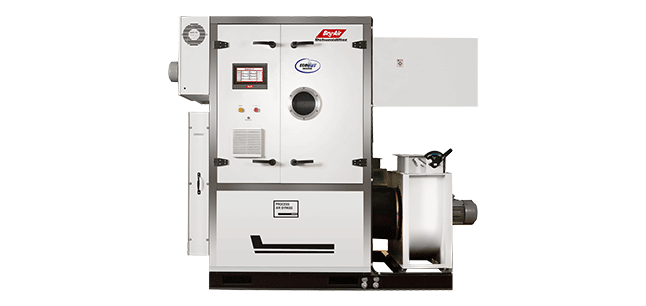
A high performance Commercial Dehumidifier typically incorporates advanced desiccant technology capable of maintaining low humidity levels that conventional refrigerant based systems may struggle to achieve. These systems are built for continuous operation, higher airflow capacities, and integration into larger HVAC or environmental control systems.
Commercial dehumidifiers also provide greater flexibility for specialized industrial applications. Facilities may require customized airflow configurations, automation controls, corrosion resistant materials, or integration with clean room systems depending on operational needs. Engineered solutions ensure humidity control remains consistent across diverse manufacturing environments.
Desiccant Technology Offers Reliable Moisture Control
Desiccant based systems perform effectively across a wide range of temperatures while maintaining precise humidity levels. Unlike conventional refrigeration systems, desiccant dehumidifiers continue operating efficiently even in low temperature environments where moisture control remains critical. This versatility makes them suitable for many specialized industrial applications.
How Does Proper Humidity Control Improve Operational Efficiency?
Maintaining stable humidity contributes directly to production quality, equipment reliability, inventory protection, and overall operational performance. Controlled environmental conditions reduce the likelihood of moisture related defects that can interrupt manufacturing processes or increase material waste. Consistent humidity also supports standardized production quality by minimizing environmental variations during manufacturing.
Product storage benefits significantly from effective humidity management. Many raw materials and finished goods remain sensitive to moisture during warehousing and transportation. Proper dehumidification helps preserve product quality while reducing spoilage, contamination, and packaging failures.
Employee productivity may also improve when indoor environmental conditions remain comfortable and stable. Excessive humidity can create uncomfortable working conditions while increasing the potential for condensation and mold growth. Proper environmental control contributes to healthier workplaces while supporting efficient industrial operations.
Long Term Equipment Protection Reduces Costs
Industrial machinery represents a significant investment for most manufacturers. Moisture related corrosion, condensation, and electrical damage may increase maintenance costs or shorten equipment lifespan. Maintaining controlled humidity helps protect valuable production assets while reducing unexpected repair expenses and operational interruptions.
Why Should Businesses Invest in High Quality Dehumidification Solutions?
Humidity control should be viewed as a long term operational investment rather than simply an equipment purchase. High quality dehumidification systems contribute to product quality, regulatory compliance, operational efficiency, energy optimization, and equipment protection throughout their service life. Reliable environmental control helps organizations reduce waste, improve production consistency, and maintain customer confidence in product quality.
Working with an experienced manufacturer also provides valuable engineering support during system selection and installation. Industrial environments often require customized solutions designed around facility layouts, production processes, and industry specific environmental standards. Professional guidance ensures equipment selection aligns with both current operational requirements and future expansion plans.
Manufacturers with extensive industry experience continue investing in research, engineering, and technological innovation to improve dehumidification performance while supporting sustainable operations. Choosing an established provider helps businesses benefit from proven engineering expertise, dependable technical support, and reliable long term performance.
See also: Comfortable Fashion for Busy Lifestyles
Engineering Expertise Supports Better Results
Every industrial application presents unique environmental challenges. Experienced manufacturers evaluate operational requirements carefully before recommending appropriate dehumidification systems. Customized engineering ensures businesses receive solutions designed specifically for their production environment rather than generic equipment that may not deliver optimal performance.
Conclusion
Selecting the right industrial dehumidification system requires careful evaluation of humidity requirements, production processes, energy efficiency, equipment reliability, and long term operational goals. Effective moisture control supports product quality, protects equipment, improves workplace conditions, and contributes to consistent manufacturing performance across numerous industries. Investing in advanced dehumidification technology allows organizations to reduce operational risks while maintaining stable environmental conditions that support efficient production.
If your facility requires reliable industrial humidity control solutions, Bry Air offers advanced dehumidification systems backed by decades of engineering expertise and global industry experience. To discuss your specific application or receive professional guidance, visit their Contact Us page and connect with their team of specialists.