Getting The Most Out Of Printer Label Stickers For Product Packaging
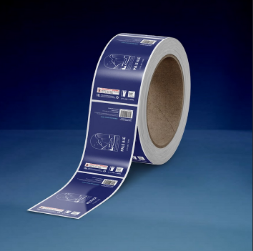
Printer label stickers do a lot of work but quietly. They tell customers what is inside a product, who made it, and whether it is worth trusting. A label that peels off in a cool room, fades under bathroom steam, or looks blurry on a shelf does real damage, perhaps more than most business owners realise. Getting this sticker right takes more thought than people expect. The material, finish, and print method all affect how well a label holds up in the real world.
Why Material Choice Matters More Than You Think
Most product labels fall into two categories: paper and synthetic.
Printer label stickers work well for dry products that will be stored indoors. They take ink cleanly, they tend to cost less, and they suit most food and general retail packaging without any issue. That said, paper is not the right call for every situation.
Synthetic labels, particularly white polypropylene, are worth considering for products that face moisture during their shelf life. A skincare bottle sitting in a humid bathroom or a beverage sitting in an ice bucket will test any label quickly.
Here is why that matters:
- Paper labels can absorb moisture and lift at the edges.
- Synthetic labels resist water and stay adhered through condensation.
- Polypropylene handles refrigerated and chilled storage well.
One thing to be clear on: polypropylene is suited to indoor and refrigerated environments, not prolonged outdoor exposure. For most packaging needs, it covers the gap that paper cannot.
See also: The Future of Decentralized Technology
The Final Question
Gloss and matte are the two standard finishes, and both serve different purposes.
Gloss makes colours pop. It adds a reflective quality that reads well on beverages, cosmetics, and any product where visual impact on shelf matters. Perhaps the easiest way to think about it is this: gloss draws the eye.
Matte does the opposite, in the best way. It gives products a quieter, more considered look. Skincare brands often prefer it because it suggests quality without shouting. Text is also easier to read on a matte surface under bright retail lighting.
There is no universally better option. It depends on the product, the brand, and where the label will be seen.
Getting Print Quality Right
Digital printing is now the standard for short-run custom labels. It allows small businesses to order exactly what they need without committing to large print volumes. The result is sharp text, accurate colour, and no wasted stock.
A few things affect print quality in practice:
- Artwork resolution should be at least 300 dpi before submission.
- Colours set up in CMYK will print more accurately than RGB.
- White space around text and edges prevents content from being cut too close.
Ordering through an online platform means artwork is reviewed before printing begins. Getting the file right the first time avoids delays and reprints.
Where Labels Fail In Real Use
Some label problems only show up after the product leaves the facility. Here are the most common ones.
Adhesion failure on cold surfaces is probably the issue that surprises people most. A label applied to a chilled bottle or jar needs an adhesive rated for low-temperature surfaces. Standard adhesives can struggle.
Moisture exposure is the other main culprit. Even a product that is not submerged in water, a shampoo bottle in a steamy shower, for example, will test a paper label over time. Synthetic materials handle this far better.
Print fading is less common with digital printing than it used to be, but UV exposure can still degrade ink on unprotected labels over time. For products displayed near windows or under strong retail lighting, a laminate layer adds meaningful protection.
Matching The Label To The Product
There is no single label type that suits every product. A craft beverage, a cosmetic jar, a specialty food product, and a candle all have different storage conditions, handling patterns, and brand expectations.
The decision tree is roughly this: start with the storage environment, then consider moisture exposure, then choose the material accordingly. The finish and print specs come after.
Paper labels remain perfectly appropriate for the majority of dry retail products. Synthetic options are worth the step up when conditions demand it.
What To Know Before You Order
A few practical points worth keeping in mind:
- Custom labels are printed to order, so artwork needs to be ready before production begins.
- Lead times vary, so ordering ahead of a product launch avoids pressure.
- Sampling is possible for new products, and it is worth doing before committing to a full run.
- Online ordering platforms let you upload artwork, select specs, and get a quote without needing to speak to anyone.
The process is straightforward once the artwork is prepared correctly. Most delays come from file issues rather than production itself.
Worth Getting Right
Labels sit on a product for its entire shelf life. Customers handle them, read them, and judge the brand through them. A label that looks good, stays put, and survives its environment does its job without drawing attention to itself.
That, more or less, is the goal.