Luer Lock: Bringing Together Design, Application, and Selection Principles
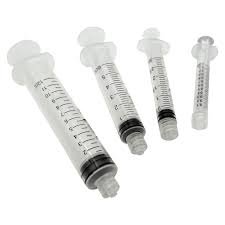
Concluding this exploration of luer connector systems, this final discussion synthesizes the key design, application, and selection considerations relevant to luer lock technology, providing a comprehensive summary perspective for clinical and procurement decision-making.
Recapping the Core Design Advantage
At its foundation, luer lock technology adds threaded mechanical security to the standard tapered luer fitting geometry, providing meaningfully enhanced protection against accidental disconnection compared to friction-fit luer slip alternatives, a design advantage that has made luer lock the preferred standard across numerous clinical applications where connection security carries genuine clinical importance.
Synthesizing Application Selection Principles
Bringing together the various application considerations discussed throughout this connector system, appropriate luer lock selection depends on evaluating connection duration, pressure involved, handling stress the connection will experience, and the clinical consequences should disconnection occur, with higher-risk profiles across these factors generally favoring luer lock’s additional security investment.
The Manufacturing Foundation Supporting Reliable Performance
Regardless of application-specific selection decisions, the practical value luer lock technology delivers depends entirely on manufacturers achieving precise, consistent manufacturing tolerances across both the tapered fitting geometry and threading mechanism, making manufacturing quality evaluation an essential complement to appropriate connector type selection.
Clinical Training as an Essential Complement to Design
Even the most well-engineered luer lock connector provides limited practical safety value without appropriate clinical technique, making staff training on proper threading engagement, avoiding both under-tightening that compromises security and over-tightening that risks component damage, an essential complement to sound device design and selection.
Standardization Balanced Against Specific Application Needs
Healthcare facilities benefit from thoughtful standardization approaches, generally defaulting to luer lock for broad general clinical use while maintaining appropriate luer slip availability for specific applications where its particular advantages provide genuine, justified value, rather than pursuing either universal luer lock adoption or unstructured mixed use without clear application-specific guidance.
The Broader Context of Medical Connector Standardization
Luer lock technology exists within the broader context of medical connector standardization that has supported meaningful interoperability benefits across the healthcare device industry, allowing facilities flexible procurement across multiple manufacturers while maintaining confidence in reliable connection performance when genuine standard compliance is achieved.
See also: Data Protection Firm: Safeguarding Sensitive Information in the Digital Age
Looking Forward in Connector Technology
While luer lock technology has proven durable and continues serving essential clinical functions, ongoing medical device innovation continues exploring further connection security and safety enhancements, suggesting this fundamental technology category will likely continue evolving alongside broader healthcare equipment advancement.
Conclusion
Luer lock technology represents a mature, well-established medical connector standard providing essential connection security across numerous clinical applications throughout modern healthcare practice. Understanding its design principles, appropriate application selection, manufacturing quality requirements, and complementary clinical training needs provides comprehensive foundation for informed clinical practice and procurement decision-making around this fundamental device category.
FAQs
Q1: What is the core design advantage luer lock technology provides? Threaded mechanical security added to the standard tapered luer fitting, providing meaningfully enhanced protection against accidental disconnection compared to friction-fit alternatives.
Q2: Why does clinical training remain essential even with well-designed luer lock connectors? Proper threading technique, avoiding both under-tightening that compromises security and over-tightening that risks damage, is necessary to realize the connector’s intended safety benefit.
Q3: How should healthcare facilities approach standardization between luer lock and luer slip products? Generally default to luer lock for broad clinical use while maintaining luer slip availability for specific applications with clear, justified advantages, guided by structured facility policy.